If you meal prep, save leftovers, or pack lunches, your containers quietly matter a lot. The right choice affects how food tastes the next day, how long your set survives, and whether you’re constantly fighting stains, smells, or cracked lids.
I’ve used both for years, and here’s the honest breakdown—no product links, just practical experience.
1) Glass Food Containers
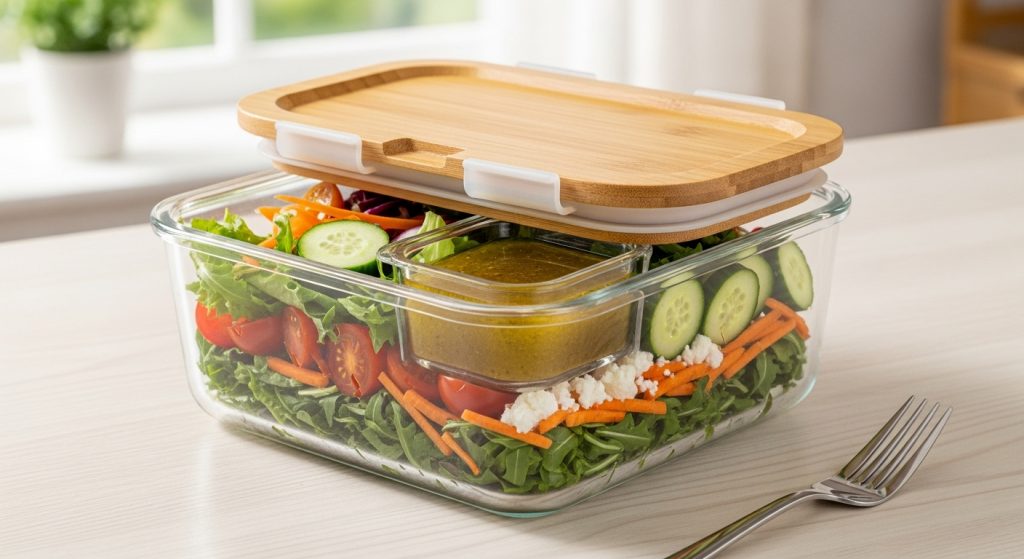
What glass does best
1) Taste + odor neutrality (biggest win)
Glass doesn’t hold onto smells the way plastic can. Tomato sauce, curry, garlic… glass stays basically “clean tasting” even after heavy use.
2) Stain resistance
Glass won’t turn orange from pasta sauce or yellow from turmeric. That alone makes it feel more “new” over time.
3) Microwave and reheating feel
Glass generally feels more reliable for reheating because it doesn’t warp and it doesn’t absorb oils/smells. Food often tastes closer to “fresh.”
4) Long-term value (the container part lasts)
The glass base typically lasts a long time. If anything fails, it’s usually the lid, not the glass.
Downsides of glass
1) Weight
Glass is heavier. For lunch bags, kids’ backpacks, or carrying multiple meals, you notice it.
2) Break risk
Drop it on tile once and you may be done. Even “tempered” glass is not unbreakable.
3) Space
Glass containers tend to be bulkier, and you may fit fewer in a small cabinet.
4) Thermal shock risk
Some glass can crack if you go from fridge → blazing hot oven/microwave too aggressively. It’s avoidable, but you have to respect it.
2) Plastic Food Containers
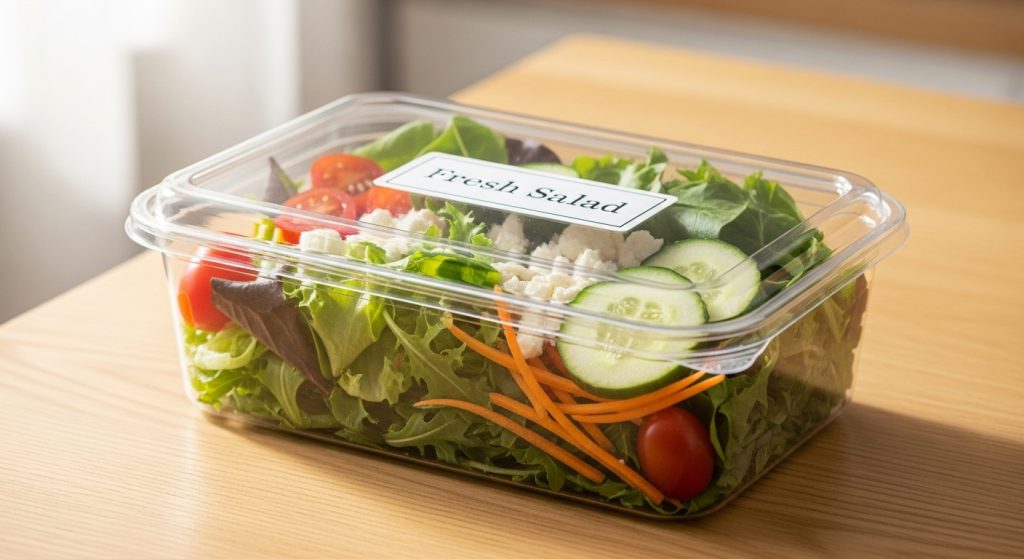
What plastic does best
1) Lightweight and portable
This is why plastic still dominates lunches. It’s easier to carry, easier for kids, and less stressful.
2) Drop-proof practicality
Plastic won’t shatter. If your kitchen is busy or chaotic, that matters.
3) Budget-friendly and replaceable
Plastic sets are often cheaper and easier to replace piece-by-piece if you lose lids or containers.
4) Space efficiency
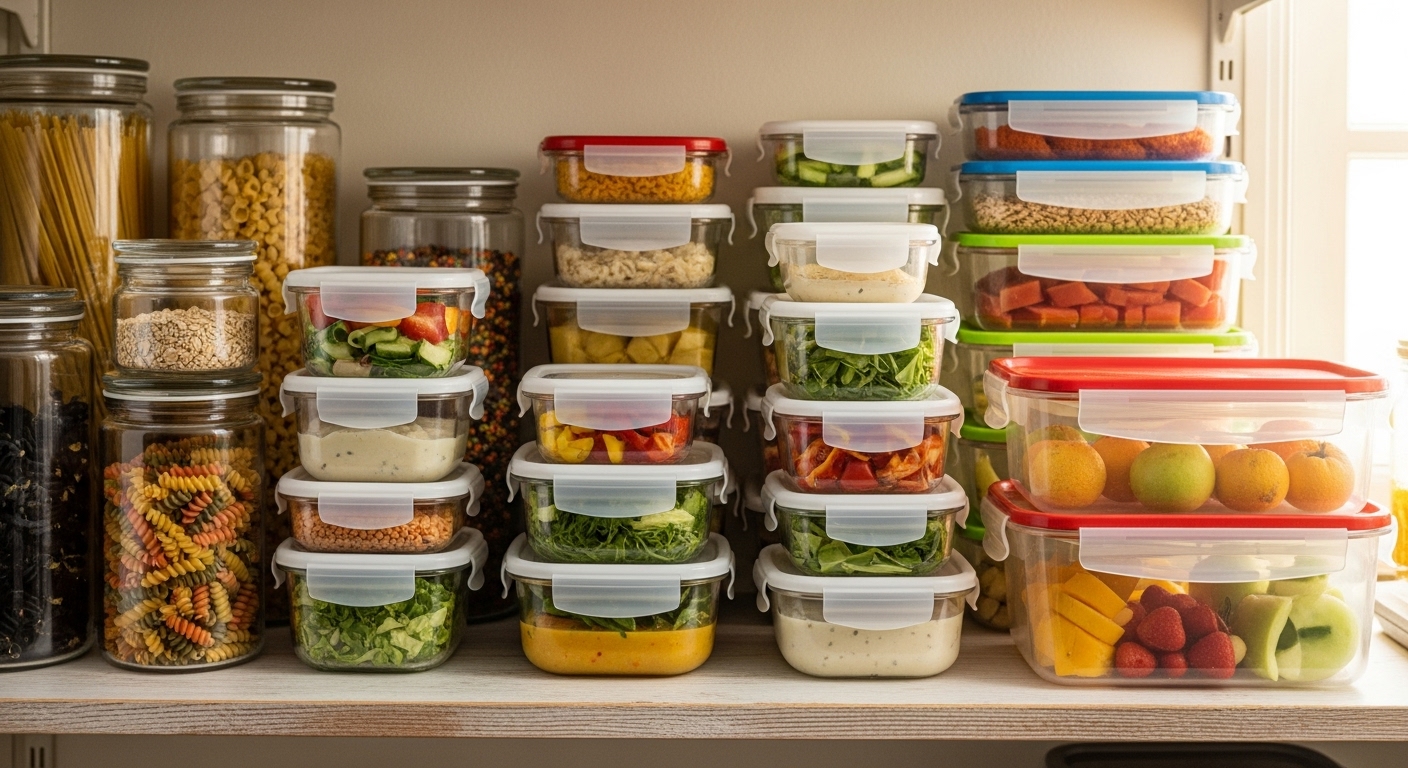
Many plastic sets are designed to nest tightly and save cabinet space.
Downsides of plastic
1) Odor and stain retention
This is the #1 complaint, and it’s real. Sauces, spices, oils—plastic can hold onto it. After a while, some containers develop that permanent “lunchbox smell.”
2) Warping over time
With repeated washing and heat exposure, some plastic containers or lids start to warp, which hurts the seal.
3) Microwave “experience”
Even if it’s labeled microwave-safe, plastic can sometimes heat unevenly and hold onto smells. Also, oily foods can make plastics feel “coated” over time.
4) Longevity
Plastic tends to look tired sooner—scratches, cloudiness, stains—and lids are often the first failure point.
Side-by-Side Comparison (Real-World)
Taste & freshness
- Winner: Glass
Less odor transfer, less “plastic taste,” better for strong-smelling foods.
Durability (daily life)
- Winner depends on your life:
- If you drop things often → Plastic (won’t break)
- If you don’t drop things much → Glass (doesn’t stain, doesn’t warp)
Microwave safety and reheating convenience
- Winner: Glass (overall feel)
It reheats more predictably and doesn’t get the same “oily film” issue.
Plastic can be fine, but it’s more sensitive to heat and food type.
Cleaning and maintenance
- Winner: Glass for stain/odor resistance
- Winner: Plastic for easy handling (lighter, faster to rinse, less careful)
Long-term value
- Winner: Glass
Glass containers stay “usable and clean-feeling” longer. Lids still wear, but the base doesn’t degrade like plastic can.
The Real Question: What Do You Store Most?
Choose glass if you often store:
- Tomato sauces, curry, chili, garlic-heavy meals
- Anything oily (stir-fries, roasted meats)
- Meal prep you want to reheat and still taste great
- Foods you’ll store for multiple days
Choose plastic if you often store:
- Sandwiches, snacks, dry foods
- Kids’ lunches or work lunches you carry daily
- Quick leftovers that get eaten within 24 hours
- Situations where dropping is likely (busy household)
Common Mistakes That Make People Hate Each Type
Why people hate glass
- Packing it for travel and realizing it’s heavy
- Breaking one and feeling like “glass is fragile” (it is, if dropped)
- Putting cold glass into intense heat too fast
Why people hate plastic
- Storing tomato/curry once and getting permanent stains
- Microwaving oily foods repeatedly → lingering smell and film
- Using harsh scrubs that scratch the inside (scratches trap smell)
My Honest “Optimal Choice”
If you want one best choice for most adults who meal prep and reheat food often:
✅ Best overall: Glass containers
They win on taste, odor control, stain resistance, reheating quality, and long-term value. Over time, they simply stay more pleasant to use.
The most practical “optimal setup” (what I actually recommend)
Use both, but for different jobs:
- Glass: leftovers, meal prep, saucy/oily foods, reheating
- Plastic: lunches on-the-go, snacks, kids’ food, lightweight carry
This combo reduces frustration: glass handles the “messy + strong smell” foods, plastic handles the “portable + drop-proof” needs.
Quick Tips to Make Either Type Work Better
If you choose plastic:
- Avoid microwaving oily tomato/curry in it regularly
- Rinse immediately after sauce-based meals
- Wash with warm water + dish soap, avoid abrasive pads
- Air-dry lids fully to prevent smell buildup
If you choose glass:
- Let it warm slightly before aggressive reheating (avoid thermal shock)
- Don’t slam lids in the dishwasher if they warp easily
- Keep a few sizes that stack well—too many random shapes kills organization