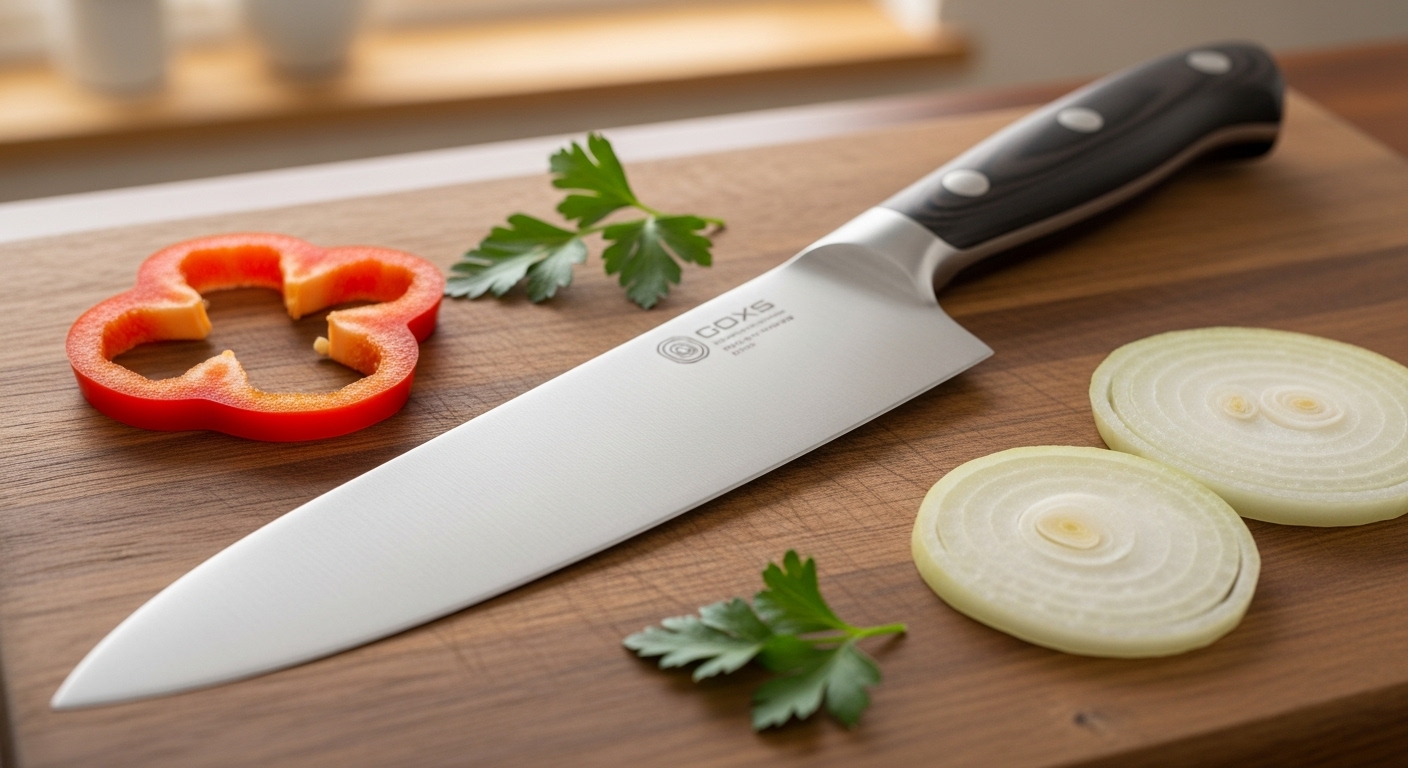
A great chef’s knife makes cooking feel easier instantly—cleaner slices, safer control, and less effort on the board.
But the “best” knife isn’t just the sharpest out of the box—it’s the one that fits your hand, stays sharp longer, and feels stable in real meals.
Note: This post may contain affiliate links.
What I Look For in a Home Cook’s Chef Knife
- Sharpness (out of the box + easy to maintain): A good edge profile and consistent grind.
- Balance & comfort: Handles matter more than most people think—especially for longer prep sessions.
- Edge retention: How long it stays reasonably sharp with normal use.
- Practical durability: Resistant to minor abuse (but still: hand-wash, no dishwasher).
1) PAUDIN 8″ Chef Knife (All-Purpose Workhorse)
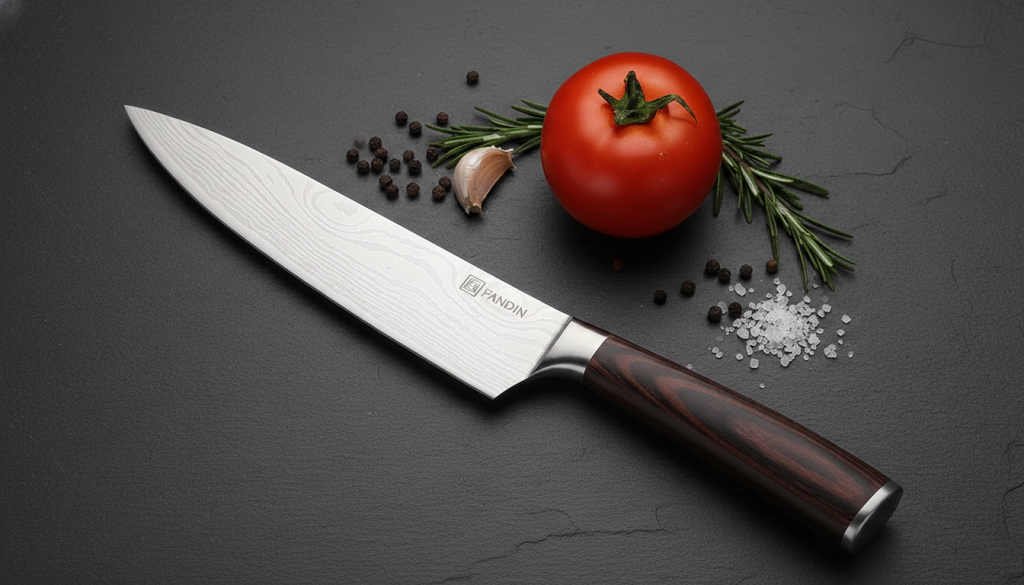
Overview
This is a classic 8-inch chef knife designed to be your everyday “do almost everything” blade—meat, veggies, herbs, and general prep.
What it’s best at
- Daily chopping and slicing
- A familiar chef-knife profile most cooks adapt to fast
- A solid choice if you want one main knife and keep it simple
Standout features
- Versatile blade length (8″) for most home kitchens
- Comfortable handle shape geared toward a stable grip
- Great “starter main knife” vibe: intuitive and easy to use
Pros
- Very all-purpose shape for mixed cooking
- Good control for rocking cuts (herbs, garlic)
- Typically feels like a dependable daily driver
Cons
- Like many budget-friendly knives, edge retention can depend on your cutting surface and maintenance
- If you prefer thinner Japanese-style blades, this may feel a bit more “robust” than “laser-like”
2) HOSHANHO 8″ Chef Knife (Japanese-Style Profile, Pro Feel)
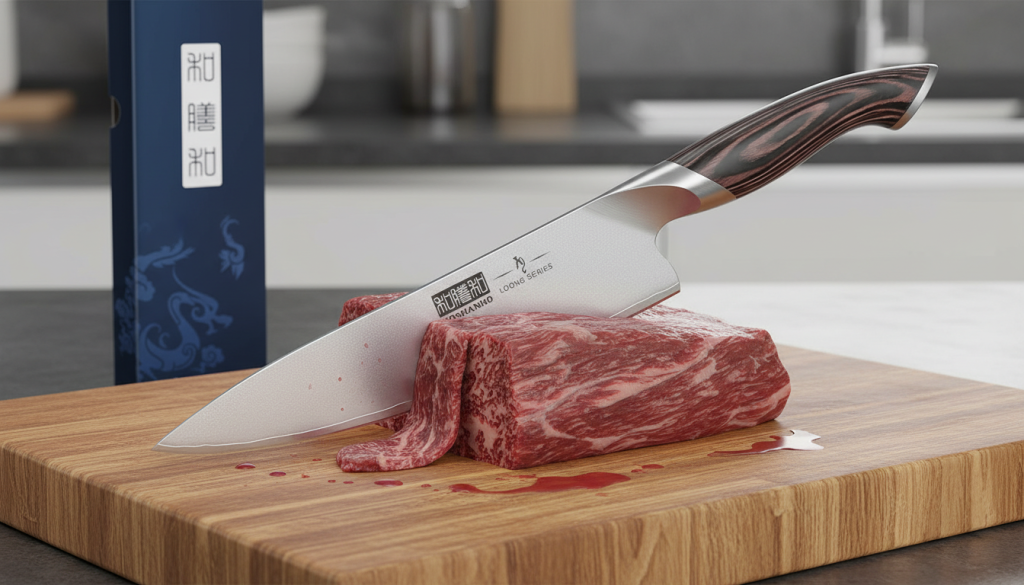
Overview
Another 8-inch chef knife, but with a more Japanese-inspired “pro” presentation—often aimed at cooks who want a sharper-feeling, more refined prep experience.
What it’s best at
- Cleaner slicing through proteins and produce
- Users who like a slightly more precise feel than standard Western workhorses
- Balanced performance if you do a lot of prep
Standout features
- Chef-knife versatility with a slightly more “refined” vibe
- Strong choice for cooks who care about balance and glide
- Often praised for feeling sharp and controlled out of the box
Pros
- Smooth slicing feel when the edge is fresh
- Great for both push cuts (vegetables) and rocking cuts (herbs)
- Typically offers a nice blend of control + efficiency
Cons
- If you’re rough on knives (hard squash + twisting, glass boards, dishwasher), you’ll wear the edge faster
- Might feel “too sleek” for people who prefer heavier blades
3) HOSHANHO 7″ Santoku Knife (Fast Veg Prep + Precision Chopping)
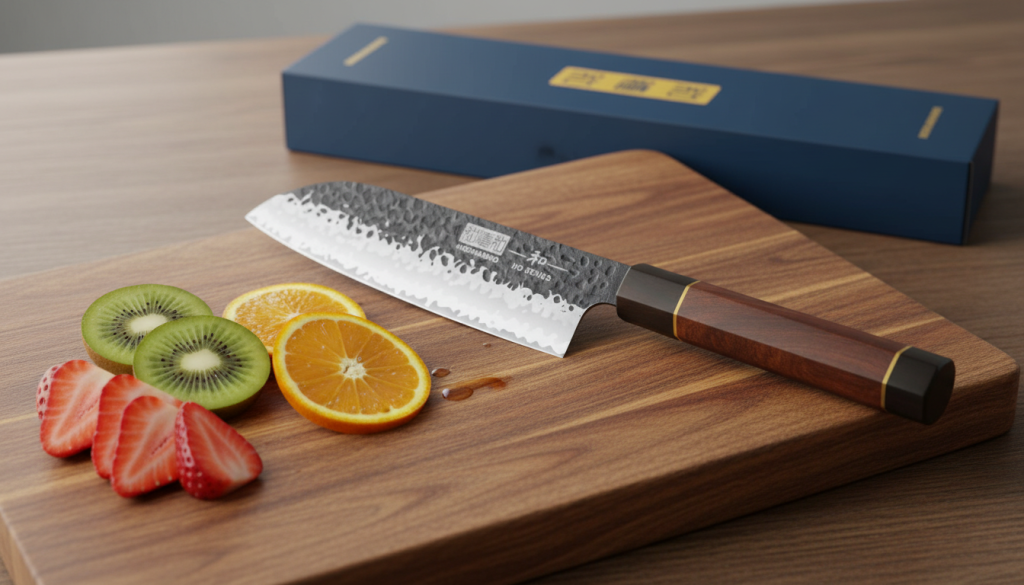
Overview
A Santoku is a home-cook favorite: slightly shorter, flatter edge, and usually quicker for vegetables. If you don’t love the rocking motion, this style can feel more natural.
What it’s best at
- Vegetable prep (onions, peppers, cucumber, herbs)
- Faster, lighter chopping sessions
- Cooks who like push-chopping and straight-down cuts
Standout features
- 7″ length is agile on smaller boards and tight counters
- Flatter edge encourages efficient, repeatable chopping
- Great “second knife” next to a main chef knife
Pros
- Very easy to control, especially for smaller hands
- Excellent for daily produce prep
- Feels nimble and quick
Cons
- Less versatile than an 8″ chef knife for large proteins or big prep batches
- If you rely heavily on rocking cuts, santokus can feel less natural
4) Kuisine Knife Set with Block (One-Stop Starter Set)
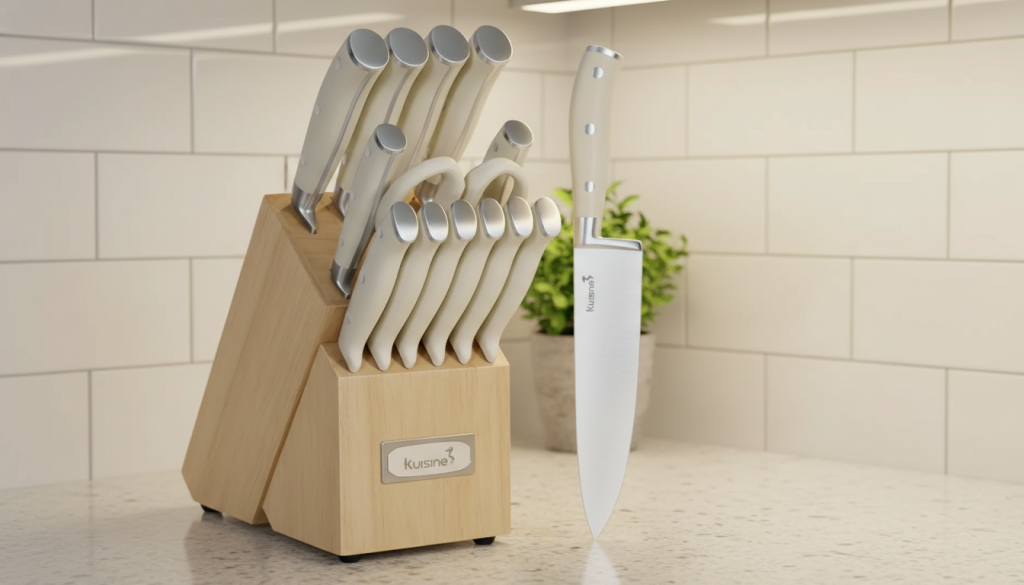
Overview
This is a multi-knife set with a block, built for people who want a ready-made kitchen setup rather than picking one “perfect” blade.
What it’s best at
- Setting up a new kitchen fast
- Having the “right tool” for different tasks (chef knife, utility, etc.)
- Households where multiple people cook and want options
Standout features
- Multiple knives to cover more cooking styles
- Convenient storage with the block
- Good for beginners who aren’t sure what they’ll use most
Pros
- Great coverage for common tasks (prep, slicing, smaller jobs)
- Easy organization and safer storage
- Practical if you want variety without researching individual knives
Cons
- Sets often include knives you may rarely use
- A single high-quality chef knife can sometimes outperform the “main knife” in budget sets
Quick Comparison (Real-World Use)
- Best all-around single knife: #1 or #2 (both 8″ chef knives)
- Best for vegetable-heavy cooking: #3 (Santoku)
- Best for new kitchens / full setup: #4 (Knife set + block)
- Best “one knife only” choice for most people: an 8″ chef knife wins 90% of the time
My Honest Pick: The Optimal Choice
✅ Best Overall for Most Home Cooks: #1 PAUDIN 8″ Chef Knife
If you want a straightforward, do-it-all chef knife that feels familiar and covers nearly every kitchen task, this is the easiest recommendation.
✅ Best for Precision + Prep Flow: #2 HOSHANHO 8″ Chef Knife
Pick this if you care most about a slightly more refined, “pro-prep” feel—especially for lots of slicing and controlled cuts.
✅ Best Add-On Knife (If You Already Have a Chef Knife): #3 HOSHANHO 7″ Santoku
If you cook vegetables constantly, a santoku is the knife that tends to get grabbed daily.
✅ Best for Starter Kitchens: #4 Kuisine Knife Set with Block
Go this route if you want a complete setup and you like having options without overthinking it.
How to Make Any Chef Knife Stay Sharp Longer
- Use a wood or plastic cutting board (avoid glass, stone, ceramic).
- Hand-wash and dry right away—no dishwasher.
- Use a honing rod regularly (it realigns the edge; it doesn’t replace sharpening).
- Sharpen when it starts slipping on tomato skins or feels “draggy” on onions.
FAQ (Quick SEO Boost)
Chef knife or Santoku—what’s better?
Chef knives are more versatile; santokus feel faster for veggie prep and push-chopping.
What blade length is best for home cooks?
Most people do best with 8 inches. Smaller hands may love 7 inches.
How often should I sharpen?
Depends on use, but many home cooks sharpen every couple of months and hone weekly.